Kelty Ridgeway Tent Instructions: A Comprehensive Guide
This guide provides detailed instructions for setting up and maintaining your Kelty Ridgeway tent, ensuring a comfortable and enjoyable camping experience.
It references resources like Kelty’s official website and user forums for assistance.
The Kelty Ridgeway tent is a popular choice for backpackers and campers seeking a balance of affordability, durability, and ease of use. Designed for comfort and weather protection, it comfortably accommodates up to four individuals. Proper setup is crucial for maximizing its lifespan and enjoying a dry, secure camping experience. This guide, referencing resources like Fixya and Kelty’s website, will walk you through each step, from site selection to packing up, ensuring a successful outdoor adventure.
Understanding the Tent Components
Your Kelty Ridgeway tent includes several key components: the tent body and rainfly for weather protection, poles and sleeves providing structural support, and stakes and guy lines for secure anchoring. The tent body features sleeves for pole insertion, while the rainfly buckles and Velcro attachments ensure a snug fit. Familiarizing yourself with each part, as detailed in the official Kelty instructions, is essential for a smooth setup process.
Tent Body and Rainfly
The Ridgeway tent’s body creates the primary living space, featuring sewn-in sleeves to guide pole insertion. The rainfly, crucial for weatherproofing, covers the tent body, offering protection from rain and wind. Proper orientation is key; ensure a secure fit using buckles and Velcro. These components work together to provide a dry and comfortable shelter during your outdoor adventures, as outlined in the setup guide.
Poles and Sleeves
Kelty Ridgeway tents utilize color-coded poles for simplified setup. Longest poles are specifically designed for the central sleeves running along the tent body’s length. These sleeves guide the poles, creating the tent’s frame. Careful insertion is vital to avoid damaging the fabric or poles. Understanding this system ensures a structurally sound and stable shelter, enhancing your camping experience.
Stakes and Guy Lines
Secure your Kelty Ridgeway tent with appropriately sized stakes, considering ground conditions – sandy soil requires longer stakes for a firm hold. Utilize guy lines, attached to the rainfly, to enhance stability, especially in windy conditions. Proper staking and guy line tension maximize weather resistance and prevent tent movement, ensuring a safe and comfortable camping experience.
Site Selection and Preparation
Choosing the right campsite is crucial for a comfortable experience. Select a level area with good drainage, ideally slightly uphill to prevent water pooling. Clear the site of rocks, sticks, and debris to protect the tent floor. Avoid pitching under trees with falling branches, ensuring a safe and enjoyable camping environment.
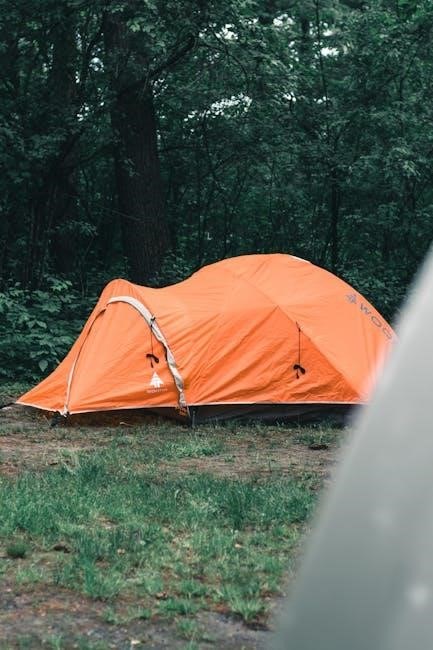
Choosing a Suitable Campsite
Prioritize level ground for comfortable sleeping and to prevent gear from sliding. Seek areas with natural windbreaks, but avoid direct exposure to strong gusts. Ensure good drainage; a slight incline is ideal. Be mindful of potential hazards like widowmakers (dead branches) and insect nests. A well-chosen site enhances your camping trip.
Clearing the Area
Remove all rocks, sticks, pinecones, and other debris from the tent site to protect the tent floor and ensure a comfortable sleeping surface. Thoroughly inspect for sharp objects that could cause damage. Clear an area slightly larger than the tent footprint. This preparation minimizes wear and tear, extending the tent’s lifespan.
Step-by-Step Setup Instructions
Begin by carefully laying out the tent body on the prepared ground, ensuring the door faces your desired direction. Next, insert the longest poles through the sleeves running along the tent’s center. Secure the pole ends into the grommets at each corner. This foundational step establishes the tent’s structure, preparing for rainfly attachment.
Step 1: Laying Out the Tent Body
Select a level campsite with good drainage, ideally slightly uphill to prevent water pooling. Spread the tent body completely, ensuring it’s free of wrinkles and positioned with the door facing your preferred direction. This initial step is crucial for a stable and comfortable setup, maximizing interior space and accessibility.
Step 2: Inserting the Poles – Longest Poles First
Begin by threading the longest poles through the corresponding sleeves located on the tent body – typically two sleeves run centrally. Gently flex the poles as you insert them, avoiding excessive force. Once fully inserted, secure the pole ends into the pin-and-ring system at each corner, creating the tent’s foundational frame.
Attaching the Rainfly
Drape the rainfly over the tent, ensuring proper orientation – often indicated by door alignment. Secure it using the provided buckles and Velcro straps, connecting it to the tent body’s designated attachment points. This creates a waterproof barrier, protecting against rain and enhancing weather resistance for a comfortable camping experience.
Proper Rainfly Orientation
Correctly positioning the rainfly is crucial for optimal weather protection. Typically, align the rainfly’s door with the tent’s door for easy access. Check for any specific markings or labels indicating the front of the rainfly. Improper orientation can compromise waterproofing and ventilation, leading to discomfort during inclement weather.
Securing the Rainfly with Buckles and Velcro
After proper orientation, secure the rainfly using the provided buckles and Velcro straps. These attachments connect the rainfly to the tent’s frame, ensuring a snug fit and preventing flapping in windy conditions. Ensure all buckles are firmly fastened and Velcro is securely attached for maximum protection against the elements and enhanced stability.
Staking the Tent
Proper staking is crucial for tent stability, especially in adverse weather. Begin by staking the tent corners, pulling the fabric taut. If the ground is sandy, use longer stakes buried deeply for a secure hold. Utilize guy lines, attached to the rainfly, for added stability, angling them away from the tent and staking them firmly into the ground.
Staking the Corners
Begin the staking process at each corner of the tent, ensuring the tent body fabric is pulled taut. Insert stakes at a 45-degree angle, pointing away from the tent. If encountering resistance, reposition the stake slightly. For sandy conditions, longer stakes are recommended, driven deeply into the ground for a secure anchor.

Using Guy Lines for Added Stability
Employ guy lines attached to the rainfly for enhanced stability, particularly in windy conditions. Stake out guy lines, adjusting tension to create a firm, weatherproof pitch. Ensure lines are taut but not overstressed, preventing damage to the tent fabric or poles. Proper guying significantly improves the tent’s resistance to strong gusts.
Ventilation and Condensation Management
Effective ventilation minimizes condensation inside the Kelty Ridgeway tent. Open vents strategically to promote airflow, reducing moisture buildup from breathing and ground humidity. Prioritize airflow, especially during cooler weather, to maintain a comfortable interior climate. Proper ventilation prevents dampness and enhances overall camping comfort, ensuring a drier experience.
Opening Vents for Airflow
Locate and open the designated vents on your Kelty Ridgeway tent to establish crucial airflow. These vents, typically found near the roofline, allow warm, moist air to escape, preventing condensation. Adjust vent openings based on weather conditions; wider openings for warmer temperatures, and partially closed for cooler nights.
Minimizing Condensation Buildup
To reduce condensation inside your tent, maximize ventilation by fully opening vents and doors when feasible. Avoid touching the tent walls, as this transfers moisture. A footprint underneath the tent protects against ground moisture. Proper site selection, avoiding low-lying areas, also helps. Regularly check and wipe down any condensation that forms.
Door and Window Operation
Kelty Ridgeway tent doors utilize smooth, reliable zippers for easy access and secure closure. Ensure zippers are clean and free of debris for optimal function. Window flaps, when open, enhance ventilation and views. Properly secure window flaps during inclement weather to prevent rain entry. Inspect zippers regularly for damage.
Zipping and Unzipping Doors
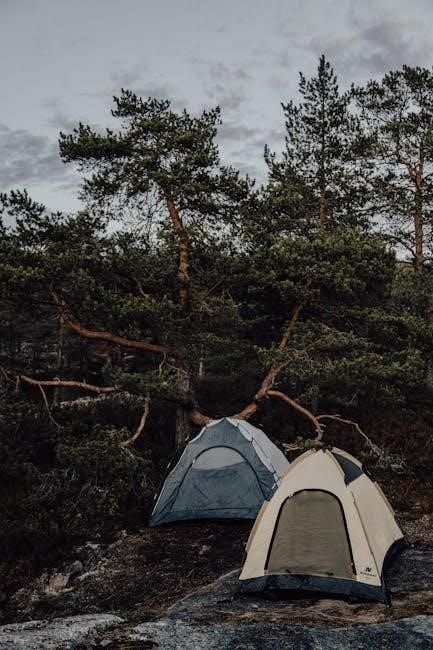
The Kelty Ridgeway tent doors feature straightforward zipper operation. Gently pull the zipper tab along the track to open or close the door. Avoid forcing the zipper, as this can cause damage. Regularly check for obstructions like fabric or dirt within the zipper teeth. A little silicone spray can help maintain smooth gliding action.
Using Window Flaps
The Kelty Ridgeway tent windows enhance ventilation and views. Window flaps typically secure with Velcro or buckles. Open the flaps for increased airflow during warmer weather, or close them for added privacy and protection from the elements. Ensure the flaps are fully secured to prevent rain or insects from entering the tent interior.
Care and Maintenance
Proper care extends the life of your Kelty Ridgeway tent. Clean the fabric with mild soap and water after each use, avoiding harsh chemicals. Allow it to dry completely before storing. Store the tent loosely in a dry, well-ventilated area, not tightly packed, to prevent mildew. Regular maintenance ensures lasting performance.
Cleaning the Tent Fabric
To clean your Kelty Ridgeway’s fabric, use a mild soap and lukewarm water solution. Gently scrub with a soft sponge or cloth, avoiding abrasive cleaners. Rinse thoroughly to remove all soap residue. Ensure the tent is completely dry before packing it away, as moisture can lead to mildew and damage the coating.
Proper Storage Techniques
For long-term storage of your Kelty Ridgeway tent, ensure it’s completely dry and clean. Loosely roll or stuff it into its carry bag – avoid tight folding which can damage the poles or fabric. Store in a cool, dry place away from direct sunlight and extreme temperatures to preserve its integrity and lifespan.
Troubleshooting Common Issues
If poles break during setup, repair kits are often available. For rainfly leaks, check seam sealing; re-seal if necessary. Ensure proper tent orientation and staking to prevent stress on the fabric. Sand can hinder staking, requiring longer stakes buried deeply. Consult online forums for shared solutions and advice from fellow Kelty users.

Dealing with Pole Breakage
Pole breakage can occur due to strong winds or improper handling. Repair kits specifically designed for tent poles are readily available for purchase. Alternatively, carefully splint the broken section using duct tape and a supportive sleeve. Prevention involves avoiding excessive force during setup and storing poles loosely when packed.
Addressing Rainfly Leaks
If your rainfly leaks, inspect the seams for any damage or separation of the waterproof coating. A seam sealer, available at outdoor retailers, can effectively repair these areas. Ensure the rainfly is properly taut and secured with all buckles and guy lines to prevent water pooling. Regularly check for wear and tear;
Advanced Setup Tips
For optimal performance, strategically position stakes at a 45-degree angle, pointing away from the tent. Utilizing a footprint, a ground cloth, protects the tent floor from abrasion and moisture. Consider prevailing wind direction when orienting the tent, and adjust guy lines for maximum stability in challenging conditions.
Optimizing Stake Placement
Achieving a secure pitch requires careful stake placement; angle them 45 degrees away from the tent, ensuring a firm hold. In sandy soil, longer stakes are crucial – exceeding 18 inches and buried deeply. Re-adjust stakes as needed to maintain tautness, especially after changes in weather conditions, maximizing stability.
Using a Footprint for Ground Protection
A footprint significantly extends your tent’s lifespan by shielding the floor from abrasion and punctures. Position the footprint precisely under the tent body, ensuring it doesn’t extend beyond the edges to prevent water collection. This added layer safeguards against moisture and damage, contributing to a drier and more comfortable camping experience.
Safety Precautions
Prioritize campsite safety by selecting a location free from falling branches and potential hazards. Exercise extreme caution with campfires, maintaining a safe distance from the tent to prevent accidental ignition. Be aware of surrounding wildlife and store food properly. Always check weather forecasts and be prepared for changing conditions during your trip.
Avoiding Hazards at the Campsite
Carefully inspect your chosen campsite for potential dangers like widowmakers (dead branches), uneven ground, and insect nests. Select a slightly uphill location for better drainage, preventing water accumulation. Be mindful of poisonous plants and wildlife. Avoid pitching your tent directly under trees, and always be aware of your surroundings to ensure a safe camping experience.
Fire Safety Near the Tent
Maintain a safe distance between your campfire and the Kelty Ridgeway tent – at least 15 feet is recommended. Clear a 10-foot radius around the fire pit of all flammable materials. Never leave a campfire unattended, and always have water and a shovel nearby. Ensure the fire is completely extinguished before leaving or going to sleep.
Resources and Support
For additional assistance, visit the official Kelty website (kelty.com) for FAQs, downloadable manuals, and customer service contact information. Online forums and camping communities, like those found on Reddit or dedicated outdoor sites, offer valuable user experiences and troubleshooting tips regarding the Ridgeway tent.
Kelty Website and Customer Service
Kelty’s official website (kelty.com) is a primary resource, offering downloadable PDFs of tent instructions, including the 2008 Ridgeway manual. Direct customer service support is available through their website for specific questions or concerns about your tent model. They can assist with parts requests or clarification on setup procedures.
Online Forums and Communities
Fixya and other online forums host discussions about the Kelty Ridgeway tent, offering solutions to common setup issues and troubleshooting advice from fellow campers. Users share experiences, tips for stake placement in sandy soil, and insights into pole sleeve threading. These communities can be invaluable for resolving specific problems.
Model-Specific Variations (e.g., 89066)
While general instructions apply, slight variations exist between Kelty Ridgeway models like 89066. Refer to the specific instruction manual available on Kelty’s website (kelty.com) for your tent’s model number. These manuals detail unique features, pole configurations, and rainfly attachment points for optimal setup and performance.
Packing Up the Tent
Ensure the tent is completely dry before packing to prevent mildew. Disassemble poles and carefully roll the tent body, rainfly, and footprint. Secure with compression straps. Store stakes and guy lines in provided sacks. Proper storage extends the tent’s lifespan, protecting it from damage and ensuring readiness for future adventures.